Commercial Waste Highgate: Recycling and Sustainability for an Eco-Friendly Waste Disposal Area
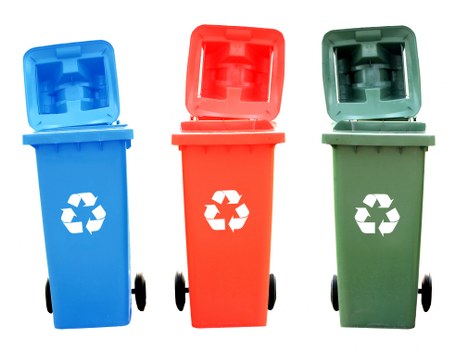
Our approach to Commercial Waste Highgate focuses on creating a truly eco-friendly waste disposal area across offices, shops and independent enterprises. We combine practical collection systems with local partnerships to support a resilient, low-carbon refuse network. By promoting clear separation at source and investing in reuse routes, Highgate businesses can reduce landfill, improve recycling rates and support the community. The service model aligns with borough objectives for mixed recycling and food waste separate collections, while adapting to the specific needs of Highgate's commercial streets and markets.Highgate’s sustainable rubbish area concept supports tailored separation for glass, paper, card, metal and food. Boroughs in and around Highgate increasingly emphasise household and commercial separation strategies—encouraging dry mixed recycling, glass-only streams and dedicated organics collections where available. We work with site managers to install labelled banks and compactors that reflect local kerbside approaches, ensuring that commercial waste in Highgate is sorted in the same ways residents expect. This alignment reduces contamination, improves recovery rates and makes downstream sorting at transfer stations more efficient.
 Our measurable target is ambitious yet achievable: a 70% recycling rate for all Highgate commercial waste streams by 2030. To reach this recycling percentage target we combine weekly data-driven collections, routine waste audits and targeted outreach to tenants and staff. Progress is tracked quarterly and reported internally to refine routes and services. Achieving this goal depends on consistent segregation of recyclables, increased food waste capture, reuse pathways for bulky items and a commitment from businesses to reduce single-use materials.
Local Transfer Stations and Logistics
We route collected materials through nearby transfer stations to minimise vehicle miles and carbon intensity. Local transfer stations in Haringey and neighbouring boroughs handle municipal and commercial streams, enabling rapid consolidation and onward movements to recycling plants. Key logistics features include:- Direct drop-offs to borough transfer facilities to reduce double-handling
- Consolidation hubs for mixed recycling and segregated organics
- Designated areas for hazardous or specialist commercial waste streams
 In addition to physical transfer points, our logistics model uses load optimisation and timetabled consolidation to keep Highgate commercial waste flows lean. Where possible we favour local processing to shorten supply chains and support regional recycling markets, from glass re-melting to paper pulp recovery.
Partnerships with charities are central to diverting reusable goods from the waste stream. We work with local reuse organisations and community groups to redirect suitable furniture, electronics, textiles and business-donated stock into second-hand markets. These collaborations reduce waste volumes and deliver social value by supporting local causes and employment initiatives focused on repair and refurbishment.
Sustainable Rubbish Area Best Practices
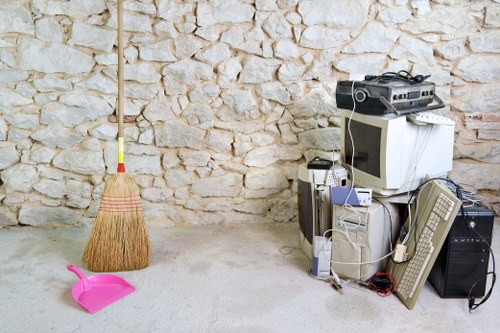
Businesses adopting a sustainable rubbish area set clear rules and provide practical tools: marked bins, colour-coded liners, digital signage and regular staff training. Simple measures such as audit-led bin reallocation, compacted cardboard zones and dedicated food waste containers can raise recycling capture quickly. Routine monitoring and corrective actions (like targeted education and contamination inspections) ensure long-term improvement rather than one-off gains. Our circular economy initiatives emphasise waste prevention as much as recycling: reducing packaging at source, repairing equipment, and choosing products designed for durability and end-of-life recovery. Bulky commercial items such as display units, shelving and non-working IT equipment are assessed for reuse, refurbishment or certified recycling, in partnership with local reuse centres and social enterprises.
 Fleet and low-carbon van strategies support a greener collection footprint for Highgate commercial waste. Our low-carbon vans include battery-electric and hybrid vehicles deployed on short urban routes, combined with telematics for route optimisation and carbon tracking. Charging infrastructure is coordinated with off-street consolidation hubs to maintain reliable collections while minimising emissions. Wherever possible, we schedule collections to reduce commuter-time idling and leverage cargo bikes for last-mile collections in dense pedestrian zones.
To sustain progress toward the recycling percentage target we emphasise transparent reporting and continuous improvement. Regular performance reviews feed into route planning, staff engagement materials and targeted interventions for high-contamination businesses. The result is a scalable, repeatable model for eco-friendly commercial waste management that can be adapted across neighbouring districts.
Commercial Waste Highgate aims to be a local exemplar: a network of well-managed, sustainable rubbish areas supported by low-carbon vehicles, strong charity partnerships and efficient transfer station use. By aligning with borough separation policies and investing in reuse channels, Highgate businesses can help create a cleaner, more circular local economy.
Commitment: we will review progress annually, refine our service offers and expand partnerships to help Highgate reach and exceed its recycling goals. Together, with businesses, charities and local processing partners, we can make sustainable commercial waste services the norm in Highgate.
