Commercial Waste Highgate: Health and Safety Policy
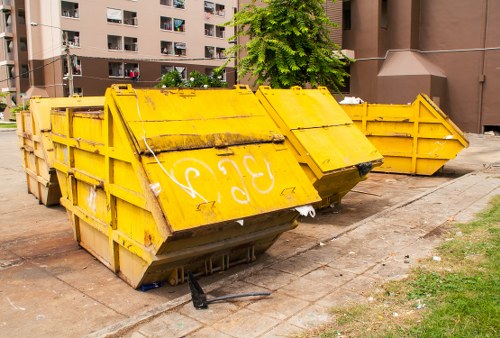 This Health and Safety Policy sets out the commitment of Commercial Waste Highgate and associated rubbish collection teams to protect the health, safety and welfare of employees, contractors, visitors and clients where commercial waste and rubbish removal Highgate services are provided. The policy applies to all commercial waste operations, including collection, transfer, storage and disposal, and to the management of vehicles, plant and manual handling activities related to commercial rubbish services.
Our objective is to achieve and maintain high safety standards through clear responsibilities, documented risk assessments and regular monitoring. This policy reflects an approach that integrates safe working practices into every aspect of our commercial waste services, from site-based waste management to on-road waste collections. It is the duty of management to ensure adequate resources are available to support safe operations, and the duty of staff to follow instructions and participate in safety procedures.
 The policy supports continuous improvement of health and safety performance, recognising that Highgate commercial waste operations face specific hazards such as manual handling of heavy containers, exposure to hazardous substances, interaction with moving vehicles and potential sharps or contaminated items within commercial refuse. All activities will be underpinned by risk assessments and safe systems of work designed to eliminate or reduce risks so far as reasonably practicable.
Scope, Responsibilities and Risk Control
Managers are responsible for implementing and enforcing this policy within their areas of control. They must ensure that robust risk assessments are completed for each role and site, addressing hazards unique to commercial waste collection, transfer station operations and on-site waste handling. Employees must be trained to recognise hazards and follow safe processes for handling recyclable and non-recyclable material, hazardous waste segregation and secure containment to prevent spillage or environmental harm.
 Key elements of control measures include provision and mandatory use of appropriate personal protective equipment (PPE), effective vehicle and equipment maintenance programmes, and procedures for dealing with hazardous finds such as asbestos-containing materials, chemical containers and medical waste. The policy also mandates regular toolbox talks, refresher training and competency checks for teams carrying out commercial waste collection tasks.
To support clarity, the policy includes specific duties and responsibilities:
- Senior management: establish policy, allocate resources and ensure legal compliance;
- Supervisors: ensure operatives are trained, equipped and briefed on site-specific risks;
- Operatives: follow instructions, wear PPE and report defects, near-misses or incidents promptly.
Operational Safety, Monitoring and Reporting
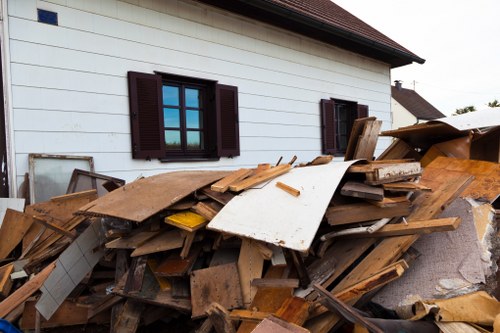 Operational controls for commercial rubbish services require safe loading practices, secure covering of loads during transport, and use of correctly rated lifting equipment for heavy containers and compactors. Drivers must comply with road safety rules and company protocols for vehicle checks, secure parking, and reversing procedures. Manual handling training emphasises mechanical aids, team lifting techniques and task planning to reduce musculoskeletal injury risks.
The policy establishes clear reporting and investigation procedures for accidents, incidents and near-misses. A timely reporting mechanism ensures that learning is captured and corrective actions are implemented. Records of incidents, risk assessments, maintenance logs and training are retained to support auditing and continuous improvement of safety standards across all commercial waste functions, including commercial waste collection and commercial waste services.
 This document also addresses contractor management: all subcontractors engaged to support commercial waste operations must demonstrate competent safety arrangements, hold relevant permits and provide evidence of insurance and training. Regular site inspections, health and safety audits and performance reviews ensure that standards are maintained and that opportunities for improvement are acted upon. The company will review this policy annually or sooner if operations or legislation change.
Training and competence are central to safe rubbish removal in commercial environments. Induction training covers company policies, emergency response, hazard recognition and safe working practices. Role-specific training will include vehicle operation, mechanical handling equipment use, hazardous waste segregation and environmental controls to prevent contamination or pollution incidents.
Emergency preparedness includes procedures for medical emergencies, spill response, fire safety and secure isolation of hazardous finds. Employees must be familiar with emergency routes, assembly points and the location of first-aid and spill kits. The organisation will provide adequate first-aid provision and ensure that nominated personnel are trained to respond to incidents until professional services arrive.
Management will maintain a programme of performance measurement using leading and lagging indicators such as training completion rates, incident frequency and audit findings. Where trends or concerns are identified, targeted interventions will be implemented and communicated across teams to sustain compliance and reduce risks associated with commercial waste and rubbish handling.
Contractors and suppliers used for waste processing and disposal must operate in line with the company’s health and safety expectations. Procurement decisions will consider health and safety performance as a factor, and contracts will include clauses that require adherence to agreed safe working standards.
The policy emphasises legal compliance with applicable health and safety and environmental regulations, while avoiding unnecessary local detail. It is the policy of the organisation to consult with employees and their representatives on health and safety matters and to encourage open communication that supports hazard reporting and improvement.
By committing to this Health and Safety Policy, Commercial Waste Highgate seeks to deliver safe, reliable and compliant rubbish collection and commercial waste services. Every person working for or on behalf of the company has a role to play in maintaining a safe workplace — through adherence to procedures, active participation in training and a shared commitment to safe behaviours.
